
The life and papacy of Pope Francis
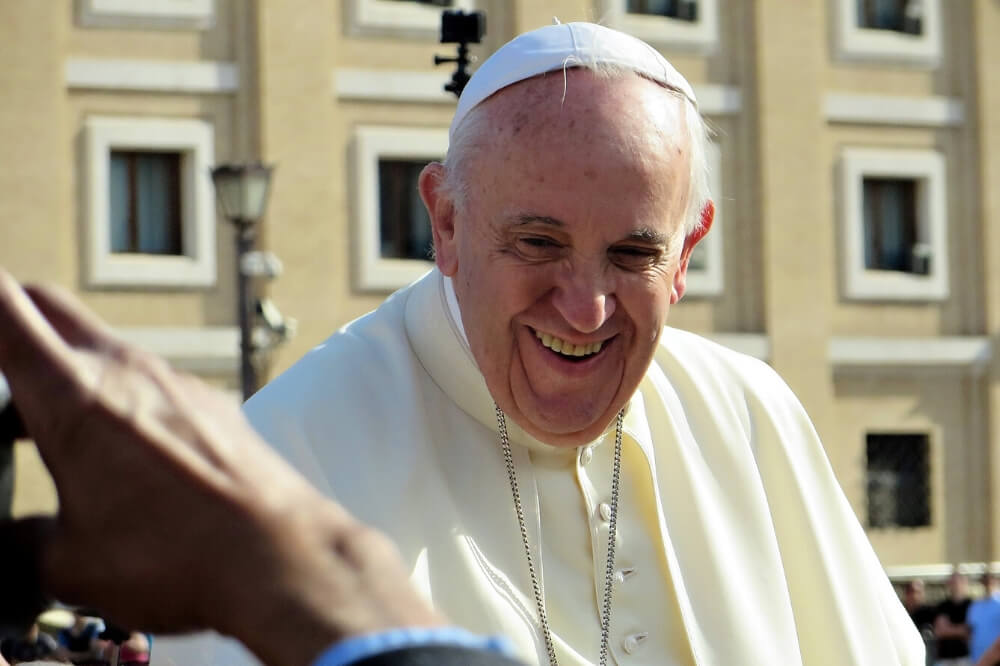
Pope Francis, 265th Successor of St. Peter
Cardinal Jorge Mario Bergoglio, S.J., of Buenos Aires, Argentina, was elected pope on March 13, 2013. He would assume the name of Francis, the first pope to take this name. Pope Francis chose this name in honor of the life and ministry of St. Francis of Assisi.
He was the first non-European pope in more than 1,200 years, the first South American pope and the first Jesuit pope.
One of five children of an Italian railway worker and his wife, Pope Francis had a lung removed due to infection when he was a teenager. He earned a master’s degree in chemistry before entering studies at the seminary. He joined the Jesuits in 1958 and was ordained a priest in 1969. He taught theology before becoming the rector of the seminary where he had studied.
After becoming archbishop in 1998, he was named a cardinal by Pope John Paul II in 2001. He also was appointed to several administrative positions in the Roman Curia, serving on the Congregation of Clergy, Congregation of Divine Worship and Sacraments and the Congregation of Institutes of Consecrated Life, among others.
He remained a simple pastor throughout his ministry, constantly reminding priests to take on the "smell of the sheep."
Read his full biography on the Vatican website
December 17, 1936
Jorge Mario Bergoglio born
December 13, 1969
Priesthood ordination
February 28, 1998
Episcopal Ordination
March 13, 2013
Elected Pope
April 21, 2025
Entered Eternal Life
Focuses of his papacy
Migrants and Refugees
Pope Francis has always had a deep love for migrants and refugees. One of his first papal visits was to the island of Lampedusa where he celebrated a penitential Mass to mourn migrants lost at sea.
Read more
Care for Creation
Pope Francis released Laudato Sí in 2015. This encyclical was the first ever written by a Pope on the subject of the environment.
Learn more
Mercy and Forgiveness
God's mercy was a constant theme in Pope Francis' preaching. He called for an extraordinary Jubilee of Mercy (Dec. 8, 2015-Nov. 20, 2016) highlighting that God is never far from those who seek him.
Read more
Important documents
In the first three years of his papacy, he published three major documents: "Evangelii Gaudium" ("The Joy of the Gospel"), a detailed vision of the program for his papacy and his vision for the church -- particularly the church's outreach and its response to challenges posed by secular culture; "Laudato Si', on Care for Our Common Home," on the environment; and "Amoris Laetitia" ("The Joy of Love"), his reflections on the discussions of the synods of bishops on the family in 2014 and 2015.
Holiness was the topic of his March 2018 apostolic exhortation, "Gaudete et Exsultate" ("Rejoice and Be Glad") in which he insisted being holy is not boring or impossible, and that it grows through small, daily gestures and acts of loving kindness.
-From Catholic News Service
Coat of Arms
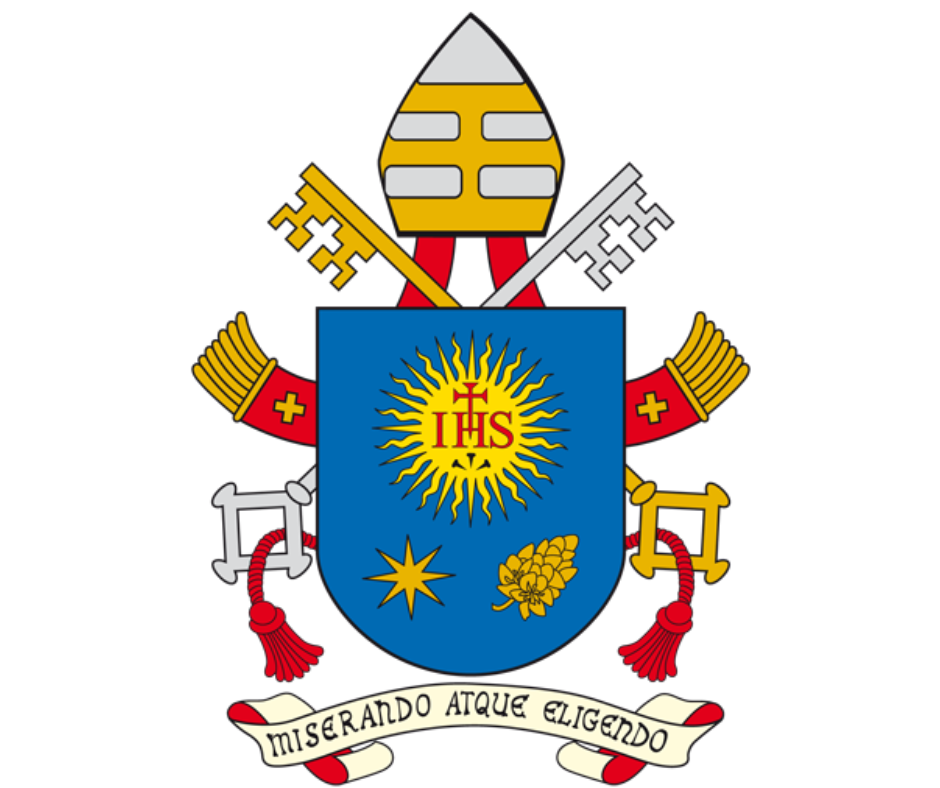
Pope Francis’ motto on his coat of arms, “miserando atque eligendo” is taken from a homily by Saint Bede, an English eighth-century Christian writer and doctor of the Church of the Gospel account of the call of Saint Matthew. It roughly translates to “having mercy, he called him.” Read more on the Vatican's website.
(From the USCCB)
What happens next?
Centuries of experience dealing with the death, or occasional resignation, of a pope has left the Catholic Church with thorough instructions detailing who has responsibility for planning the funeral, preparing for the election of a new pope and taking care of essential business in the meantime.
The Church will enter a period of nine days of mourning called Novemdiales or Novendiales, either is acceptable. This period begins on the day of the Pope's funeral, April 26. It will conclude on May 4. The conclave will begin following the Novemdiales.
Read more from Catholic News Service.